Cut heating and cooling costs with targeted fixes through energy testing
The Function of Power Screening in Attaining an Airtight Solution for Your Residential or commercial property
Power screening is important for building proprietors seeking to produce an impermeable environment. It recognizes air leakages and ineffectiveness that can endanger energy efficiency. Common perpetrators consist of gaps around doors and windows. Using techniques like blower door examinations and thermal imaging, homeowners can acquire insights into their residential or commercial property's vulnerabilities (energy testing). Recognizing these findings is essential. What actions should be taken as soon as air leakages are recognized? The answers hold the trick to enhanced convenience and financial savings
Comprehending Power Screening and Its Relevance
Energy testing plays an essential function in examining the airtightness of frameworks and structures. By measuring air leakage, this method provides essential understandings right into a home's energy performance, thermal convenience, and total performance. Airtight structures decrease energy consumption, making certain that heating & cooling systems operate successfully. This screening procedure normally entails methods such as blower door examinations, which create a controlled environment to recognize unintended air pathways.Understanding the value of power testing extends past compliance with building ordinance; it fosters a positive approach to sustainability. Recognizing air leakages early can lead to timely removal, ultimately improving interior air high quality and minimizing utility costs. Furthermore, power screening adds to the long life of structure materials by minimizing wetness accumulation and associated damages. As awareness of ecological impact increases, energy screening comes to be an essential tool for builders and home owners going for high-performance homes.
Common Sources of Air Leaks in Residence
Determining common resources of air leaks is essential for improving a residential property's power efficiency. These leakages frequently take place in various locations of a building, significantly affecting heating and air conditioning costs. Common wrongdoers consist of voids around windows and doors, where seals might wear away with time. In addition, electric outlets and switches can create paths for air exchange otherwise appropriately insulated. Attic rooms and cellars are also frequent sources, especially where wall surfaces meet the roof covering or the structure. Various other potential leakage factors include plumbing penetrations, venting systems, and the areas bordering smokeshafts. Older residential or commercial properties may experience from broken down structure products, enhancing susceptability to air infiltration. By identifying these typical resources, homeowner can take proactive steps to seal leaks, therefore enhancing overall power efficiency and convenience within their areas. Resolving these issues is a crucial component of establishing an impermeable solution for any residential property.
Methods of Energy Screening: Blower Door and Thermal Imaging
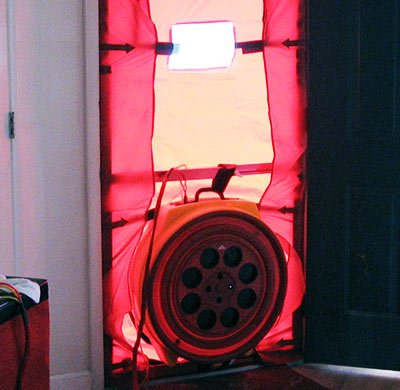
Efficient energy testing methods, such as blower door tests and thermal imaging, play a necessary function in detecting air leaks within a residential or commercial property. The blower door examination involves depressurizing a structure or pressurizing to measure air movement and recognize leaks. An adjusted follower is installed in an outside entrance, and the resulting stress difference highlights locations of undesirable air infiltration. This approach evaluates the total airtightness of the structure.Thermal imaging matches blower door tests by aesthetically discovering temperature level variations on surfaces, exposing hidden air leaks. Infrared cameras catch heat loss or gain, permitting for precise identification of problem locations, such as badly protected walls or gaps around doors and windows. air tight solutions. With each other, these approaches offer a thorough assessment of a residential property's energy performance, allowing property proprietors to deal with air leaks successfully and improve total performance
Benefits of Identifying Air Leaks
Identifying air leaks offers considerable benefits for energy effectiveness and indoor convenience. By securing these leakages, buildings can lower power intake, causing lower utility bills and a reduced carbon footprint. Additionally, enhanced airtightness adds to an extra stable interior setting, boosting overall convenience for occupants.
Energy Performance Improvements
Spotting air leaks is necessary for enhancing energy performance in buildings. Recognizing these leaks permits homeowner to resolve locations where conditioned air runs away or unconditioned air enters, bring about substantial energy cost savings. By securing spaces and fractures, buildings can preserve a regular temperature level, minimizing the demand on heating and cooling down systems. This not only lowers power expenses however likewise decreases the environmental influence associated with boosted energy intake. Additionally, energy effectiveness improvements add to a structure's overall sustainability, making it a much more appealing option for eco-conscious buyers or occupants. Inevitably, prioritizing air leak discovery and remediation assists optimize power usage, promotes accountable resource administration, and sustains lasting financial advantages for residential property owners.
Enhanced Indoor Convenience
Addressing air leakages not only leads to energy savings but likewise considerably enhances indoor comfort. When air leakages are properly identified and secured, temperature level guideline within a property ends up being extra effective. This results in regular interior temperature levels, removing cold drafts in winter months and warm areas in summertime. Improved insulation also reduces check this site out environmental pollution from outdoors, developing a quieter and even more calm living setting. Additionally, improved air high quality is attained by reducing the infiltration of outside toxins, irritants, and humidity, contributing to the total wellness of owners. Consequently, homeowners experience a more enjoyable environment, cultivating leisure and productivity. Eventually, acknowledging and rectifying air leaks is essential for attaining excellent interior convenience throughout the year.
Exactly How Power Testing Boosts Comfort and Indoor Air High Quality
Energy testing plays an important duty in enhancing temperature level guideline within interior areas, ensuring a consistent and comfy atmosphere. By identifying and sealing air leaks, it additionally considerably reduces the seepage of contaminants, therefore enhancing interior air quality. This dual impact cultivates general health for residents.
Improved Temperature Law
Efficient temperature regulation significantly adds to both comfort and indoor air high quality, making it an important focus for modern-day building design. Energy testing plays a crucial duty in achieving this regulation by determining areas where heat loss or gain occurs, permitting targeted check this enhancements. By guaranteeing an impermeable building envelope, energy screening helps maintain regular interior temperatures, lowering the demand for excessive home heating or cooling. This stability enhances owner convenience, as variations in temperature can cause discomfort and discontentment. Furthermore, reliable temperature level control can enhance interior air high quality by reducing the threat of condensation and mold and mildew growth, which grow in uneven temperature level problems. Consequently, power screening is vital for maximizing temperature administration in domestic and industrial residential properties.
Minimized Contaminant Infiltration
While numerous elements add to indoor air high quality, minimized contaminant seepage stands apart as a vital facet that energy testing can greatly boost. Power testing determines air leakages and powerlessness in a building's envelope, which might permit exterior pollutants, irritants, and moisture to get in interior areas. By sealing these leakages, homes can properly restrict air-borne contaminants, causing a healthier environment. Improved airtightness not just boosts comfort but likewise reduces the concern on home heating and cooling systems, resulting in energy financial savings. Additionally, decreased contaminant seepage fosters better general well-being for occupants, as cleaner air promotes respiratory health and reduces allergic reaction signs. Consequently, power screening plays a critical function in developing both an energy-efficient and health-conscious space.
The Financial Impact of Energy Testing on Utility Costs

Steps to Take After Energy Screening Outcomes
When power screening outcomes are in, property owners need to meticulously assess the findings to identify one of the most efficient path onward. The initial step includes determining the locations that need renovation, such as air leakages or insulation shortages. Home owners must after that focus on repair work based on the seriousness of the issues and their possible effect on energy efficiency.Next, it is a good idea to seek advice from professionals that concentrate on energy efficiency to devise a comprehensive action strategy. This might consist of options like sealing gaps, including insulation, or updating windows and doors.After executing the required adjustments, a follow-up power test can establish the efficiency of the repairs. Continuous tracking is also necessary to ensure that the building maintains its closed standing gradually. By complying with these steps, property owners can significantly boost their residential or commercial property's energy effectiveness, resulting in decreased energy bills and boosted convenience.
Often Asked Inquiries
Just how Commonly Should I Conduct Energy Checking on My Building?
The frequency of power screening must generally be every couple of years, or complying with considerable remodellings. Routine analyses help identify efficiency improvements and assure that the building maintains suitable energy performance with time, adapting to changing conditions.
Is Power Testing Necessary for New Constructions?
Energy screening is essential for new buildings, as it identifies potential air leak and insulation issues - energy testing. Executing these tests guarantees power effectiveness, improves indoor comfort, and satisfies building regulations, inevitably leading to long-lasting expense financial savings
Can I Do Power Testing Myself?
Power testing normally needs specific tools and knowledge. While some homeowners might attempt fundamental assessments, professional solutions ensure accurate outcomes and efficient identification of issues, ultimately leading to much better energy efficiency and convenience in living rooms.
What Is the Price of Expert Power Testing Providers?
The cost of expert power screening solutions commonly varies from $300 to $1,500, depending on building dimension, place, and complexity. House owners ought to consider possible power savings when examining the investment in these solutions.
How Much Time Do Power Screening Outcomes Typically Last?
Power screening results normally continue to be valid for one to 3 years, depending upon elements like building adjustments and ecological changes. Regular updates are recommended to ensure precision and preserve reliable energy performance criteria. Efficient power testing approaches, such as blower door examinations and thermal imaging, play an important role in identifying air leakages within a building. Recognizing these leakages allows home owners to deal with areas where conditioned air gets away or unconditioned air gets in, leading to considerable power savings. Energy screening determines air leakages and weak factors in a structure's envelope, which might allow outside pollutants, irritants, and moisture to enter interior areas. As property owners progressively look for to reduce their energy expenditures, the function of energy screening ends up being vital in determining leakages and inadequacies. House owners must after that prioritize fixings based on the severity of the problems and their possible effect on energy efficiency.Next, it is advisable to consult with experts that specialize in power efficiency to design a complete action plan.