Lead Removal Contractors-- Knowledgeable Experts for Lead Reduction
Ideal Practices for Making Certain Safe and Comprehensive Lead Offense Abatement
Addressing lead violation abatement needs a multi-faceted approach to guarantee both security and compliance. It's the final clearance process, involving thorough examinations and lab screening, that genuinely verifies a lead-free atmosphere, guaranteeing long-term security. Just how do these practices interconnect to ensure comprehensive lead reduction?
First Evaluation
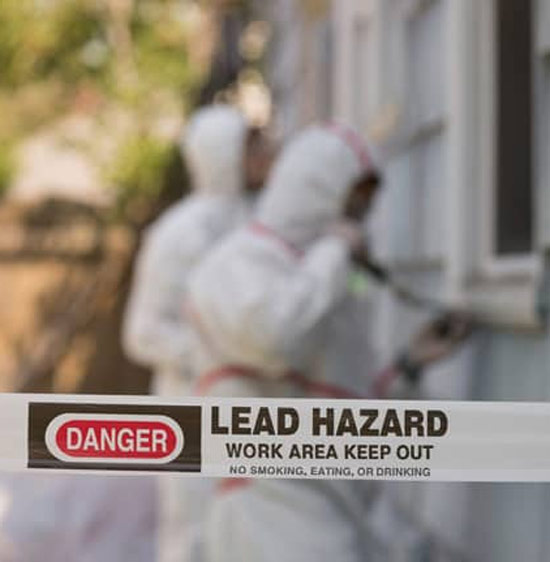
Performing a preliminary assessment is a crucial initial step in lead offense abatement. This stage incorporates an in-depth assessment of the residential property to identify the visibility, degree, and particular locations of lead-based dangers. Qualified specialists, such as certified lead examiners or run the risk of assessors, ought to execute an extensive website evaluation, making use of devices like X-ray fluorescence (XRF) analyzers to accurately identify and measure lead concentrations in paint, dust, soil, and water.
The analysis needs to likewise include a testimonial of the structure's background, previous records, and any kind of grievances or health and wellness issues reported by passengers - Lead Removal Contractors. Recording the findings diligently is vital, as these records develop the basis for creating a reliable abatement approach. A complete assessment also includes tasting and laboratory evaluation, which are crucial to confirm the existence of lead and guide succeeding activities
Moreover, it is necessary to interact the results transparently to all stakeholders, consisting of residential property owners, tenants, and regulative authorities. By making sure that the initial evaluation is carried out with precision and roughness, professionals can lay a solid foundation for a targeted and reliable lead reduction process, eventually protecting public health and wellness and making sure conformity with governing criteria.
Appropriate Control
Proper control is critical to avoid the spread of lead contaminants during reduction tasks. Efficiently taking care of control lessens the threat of lead dust and debris moving to non-work areas, therefore safeguarding both the environment and people outside the immediate work area.
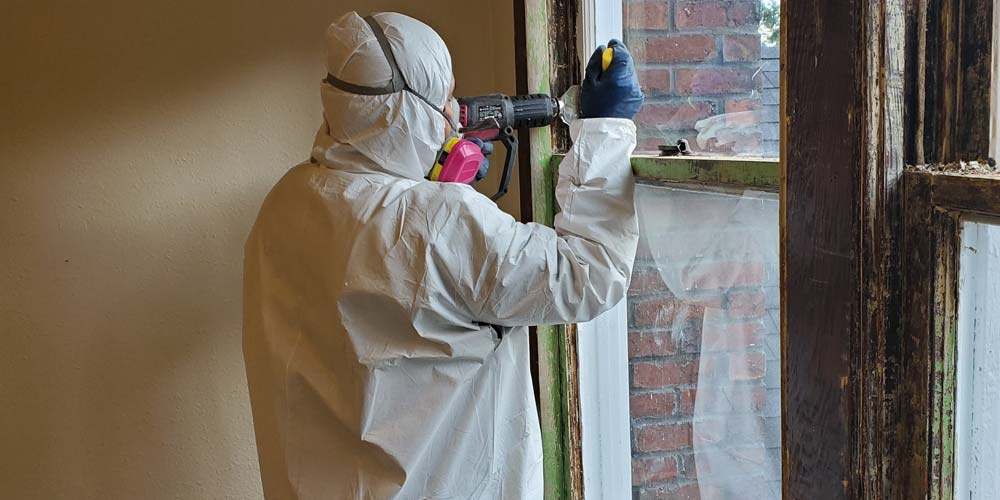
Regular evaluations of the control location are needed to check for breaches or weaknesses in the obstacle. Any kind of identified problems need to be quickly dealt with to preserve the honesty of the containment. By adhering to these practices, abatement projects can successfully manage lead contamination and minimize involved health dangers.
Employee Protection
Guaranteeing employee protection is vital during lead abatement projects to stop work-related direct exposure to harmful lead bits. Vital procedures consist of the usage of personal protective tools (PPE) such as respirators, handwear covers, and full-body suits specifically made to block lead dirt and fumes. Workers must undergo comprehensive training on the proper use and maintenance of PPE, including in shape screening for respirators to make sure maximum effectiveness.
Engineering controls, such as local exhaust ventilation systems, are vital in lessening airborne lead focus in the work setting. Management controls must also be implemented, including restricting the period of exposure and turning workers to reduce private exposure times. Routine clinical monitoring and organic tracking are essential for very early detection of lead absorption, making it possible for prompt treatment and therapy.
Furthermore, establishing a purification procedure is important. Workers have to adhere to strict purification procedures before breaks and at the end of their shift to avoid lead dirt from being brought outside the workspace. This consists of extensive hand and face washing with lead-specific cleaner and transforming out of polluted apparel.
Precise Cleaning
Preserving a secure workplace prolongs past employee defense and includes meticulous cleanup to make certain lead particles are thoroughly eliminated from the site. The procedure of thorough cleanup is crucial in avoiding the recontamination of the moderated location and safeguarding both current and future passengers.
To accomplish a thorough look at these guys cleaning, all workplace need to be methodically sanitized. This involves making use of specialized HEPA (High-Efficiency Particulate Air) vacuum cleansers and wet-wiping methods to capture and get rid of great lead dirt that might have resolved on surface areas. It is vital to clean all straight surfaces, consisting of floors, window sills, and countertops, along with vertical surfaces that might have entraped lead particles.
Employees should wear ideal individual protective equipment (PPE) during cleanup to avoid exposure to recurring lead dust. Made use of cleaning products such as wipes, sponges, and wipe heads should be dealt with in accordance with contaminated materials disposal regulations.

Final Clearance
Last clearance is the vital wrapping up phase of lead reduction that establishes whether the site is secure for reoccupation. This important action entails comprehensive assessment and screening to validate that all lead hazards have been properly eliminated. The process begins with an aesthetic inspection by a certified lead-based paint inspector or danger assessor to make sure no visible dirt or debris continues to be. This is adhered to by collecting dirt clean examples from various surfaces, including floorings, windowsills, and other horizontal surfaces. Lead Removal Contractors.
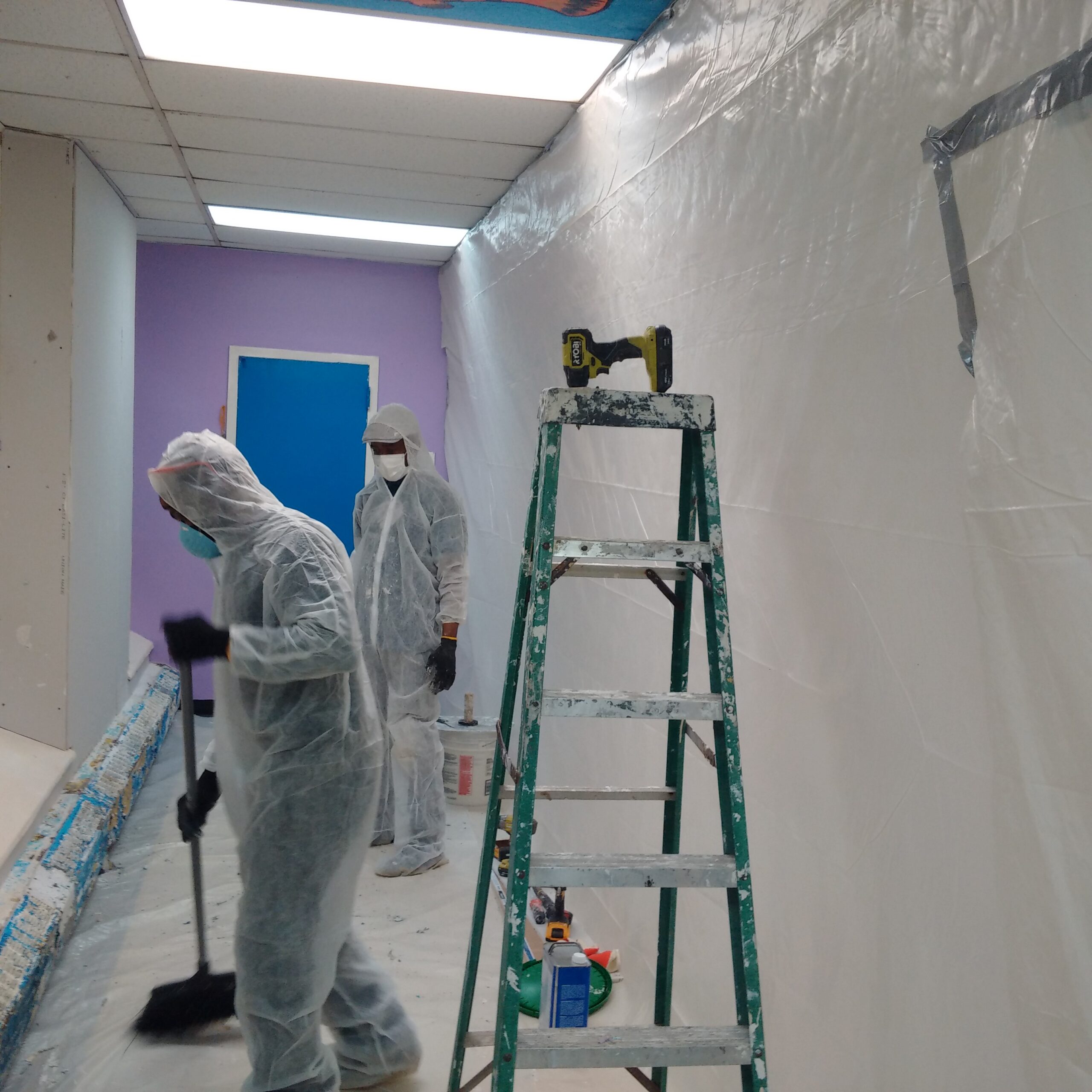
Final find out this here clearance screening not just protects future residents but also ensures compliance with local, state, and government laws. It serves as a recorded validation of the reduction specialist's adherence to industry best techniques. Making certain a thorough and successful last clearance is essential in protecting public health and wellness and fostering rely on the reduction use this link process.
Final Thought
Guaranteeing secure and complete lead violation reduction demands a multifaceted strategy encompassing initial analyses with innovative detection methods, reliable containment methods, strict employee defense protocols, and thorough clean-up procedures. The last clearance phase, featuring detailed evaluations and lab screening, is critical to validate compliance with EPA requirements. Adherence to these best practices assures a safe atmosphere for owners, reduces health risks, and upholds governing needs, consequently advertising public health and safety and security in lead-affected areas.